5 Unnecessary Items

5 Unnecessary Items You Can Eliminate From Your Home to Adopt a Minimalist Lifestyle


Introduction: What is Minimalism and How Can It Benefit Your Home?

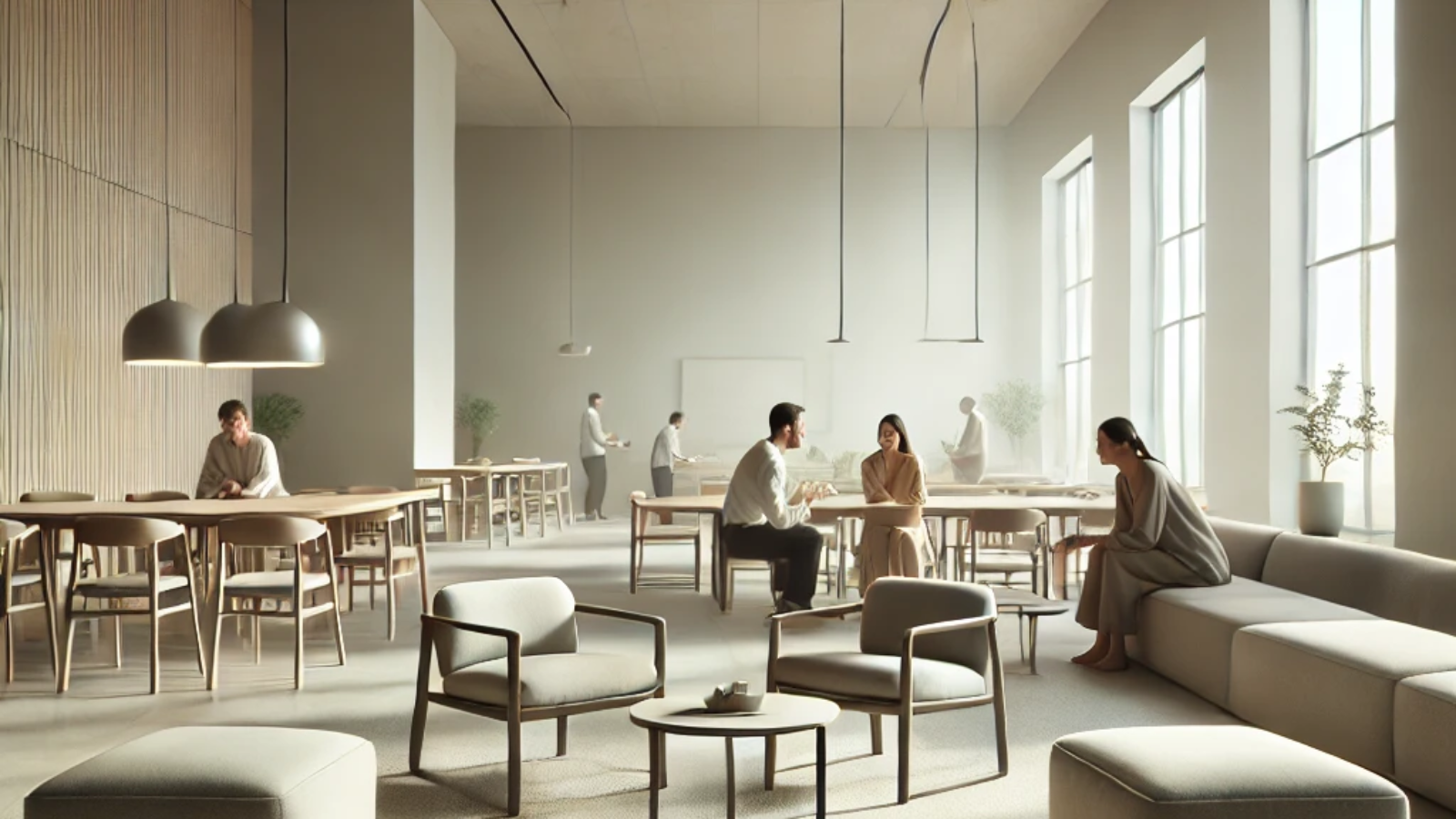
Minimalist living is becoming increasingly popular. But what exactly does it mean to embrace this style? Minimalism isn’t just about a simple aesthetic; it’s about a lifestyle that focuses on what is essential, eliminating the excess of items that take up space and energy.

In this article, we will explore how minimalism can be the key to transforming your home by removing unnecessary items that only occupy space and don’t add real value to your life. Let’s start with 5 items you can eliminate today to begin your journey toward a simpler, more organized, and functional home.


1. Excess Clothing and Accessories: Free Yourself from What You Don’t Wear

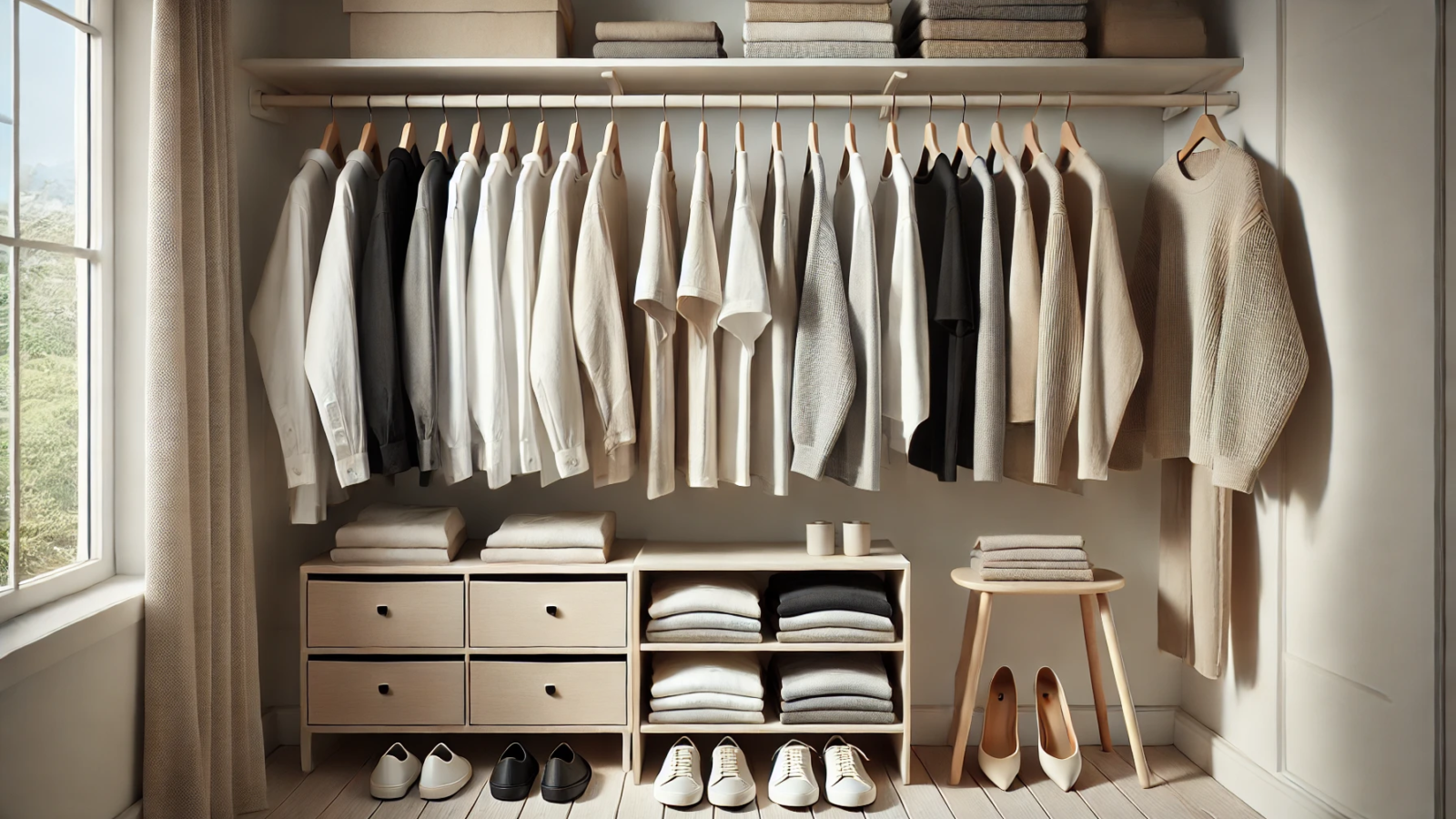
Did you know the average wardrobe is filled with clothes that are rarely, if ever, worn? Excess clothing is one of the most common items we accumulate, and it adds little value to our lives. Whether due to nostalgia or impulsive buying, many clothes end up just taking up space.

How to eliminate: Go through your wardrobe and perform a strict selection. If you haven’t worn something in the last six months, or if it doesn’t fit or bring you joy, donate or discard it.

Benefits: In addition to freeing up space, you will have a more functional wardrobe, making daily outfit choices easier.


2. Redundant Appliances: Less is More When It Comes to Technology

The tendency to accumulate gadgets and appliances in the kitchen, living room, and other areas is common. However, in many cases, these items are only used once or not at all, yet continue to take up valuable space.

How to eliminate: Evaluate the usefulness of each appliance. If you have more than one appliance performing the same function, consider keeping the most efficient and eliminating the others.

Benefits: Reducing the number of appliances creates a more organized environment, helps save energy, and reduces clutter.


3. Too Many Furniture Pieces: Open Spaces Are Essential in Minimalist Living

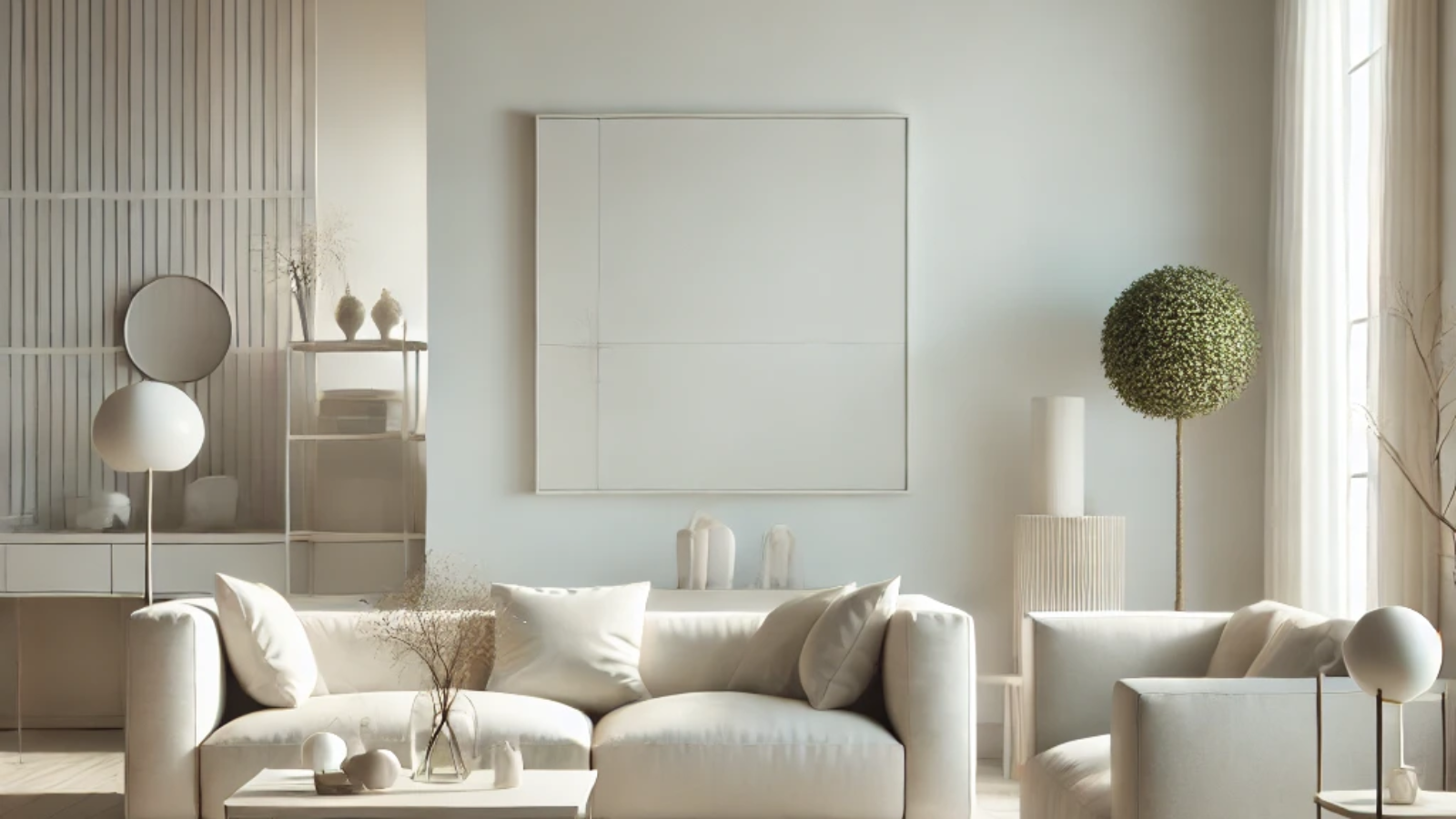
While furniture is essential for comfort and functionality, excess furniture can make a space feel cramped and overloaded. Many of us keep unnecessary pieces simply because they’re “there.”

How to eliminate: Honestly evaluate which pieces of furniture are truly necessary. Sometimes an extra sofa or a rarely used table can be removed to open up more space.

Benefits: More space leads to a sense of freedom and flow, as well as easier cleaning and organization.


4. Accumulated Documents and Papers: Digitize for a More Organized Life

Old papers and documents are a major source of clutter in many homes. They take up drawers, shelves, and even valuable storage space, without adding any real value to your daily life.

How to eliminate: Start by digitizing important documents and discarding old papers that are no longer useful. Consider using cloud storage services to keep files accessible and organized.

Benefits: Getting rid of papers not only frees up space but also helps you organize your digital life in a practical way, all while contributing to sustainability.


5. Decoração excessiva: menos itens, mais estilo

Embora a decoração possa ser uma parte divertida da casa, muitos itens decorativos podem fazer com que um espaço pareça confuso e desorganizado. O minimalismo procura criar espaços elegantes usando menos elementos decorativos, mas significativos.

How to eliminate: Evaluate each decoration piece and keep only those that are truly meaningful or that complement the space’s aesthetic. Opt for simpler, high-quality items that bring harmony to the space.

Benefits: Cleaner, more minimalist spaces bring tranquility and foster a sense of calm, unlike spaces overloaded with unnecessary elements.


How Minimalism Can Improve Your Quality of Life

Embracing minimalism is not just about removing physical items from your home; it’s about changing how you view consumption, organization, and even your relationship with things. By reducing the excess, you create a more functional space, with more time to focus on what truly matters: family, friends, and peace of mind.


Conclusion: Start Eliminating Today and Feel the Difference

The journey to a more minimalist home starts with one simple step: eliminating what no longer serves you. Start today by reviewing your home and clearing out space, not just physically, but mentally as well. By embracing minimalism, you can enjoy a more peaceful, organized environment and, most importantly, a life focused on what really matters.

Final tip: Don’t forget to review your home regularly. Minimalism is an ongoing practice that requires discipline and attention, but the benefits are immeasurable.
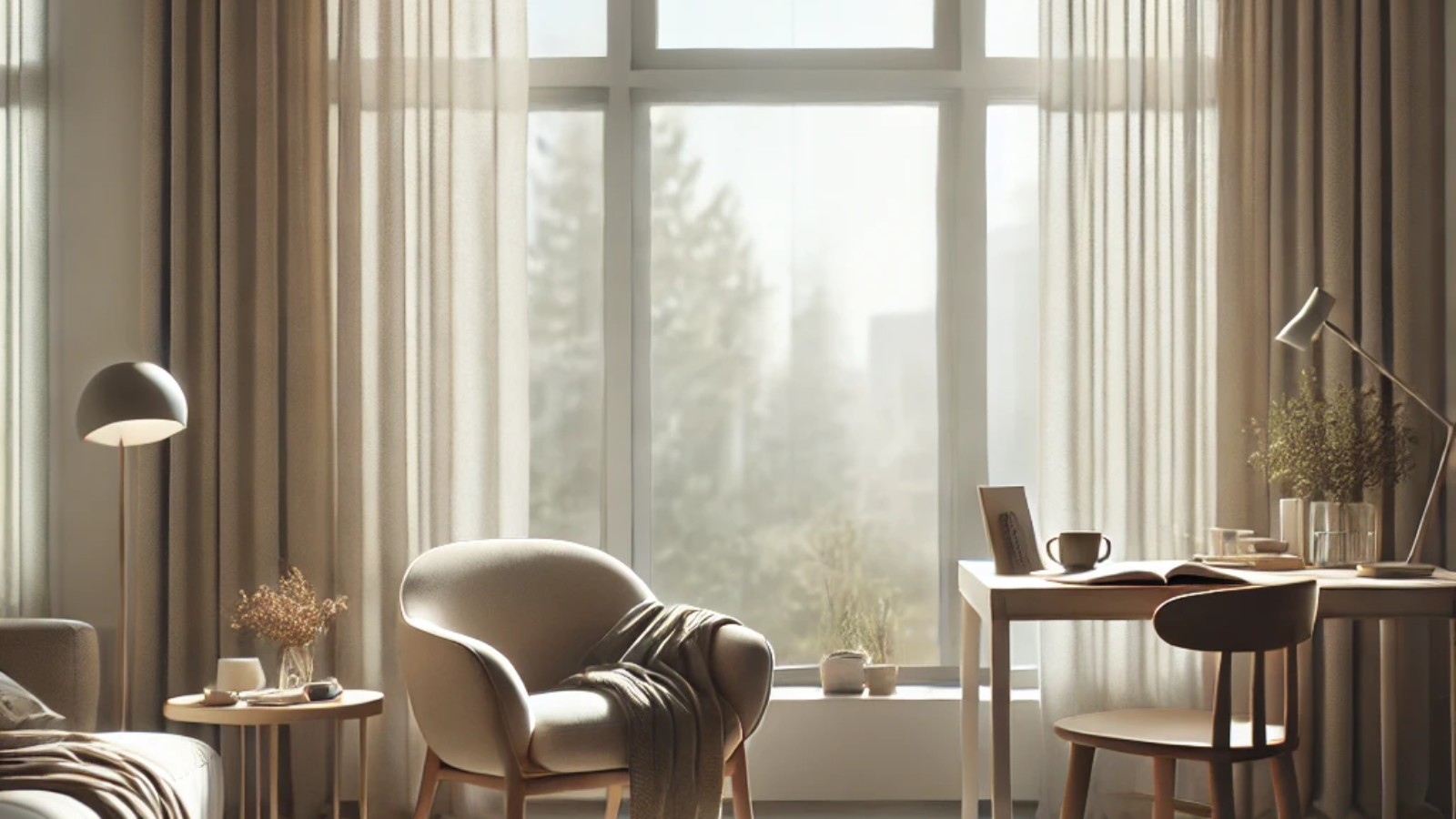
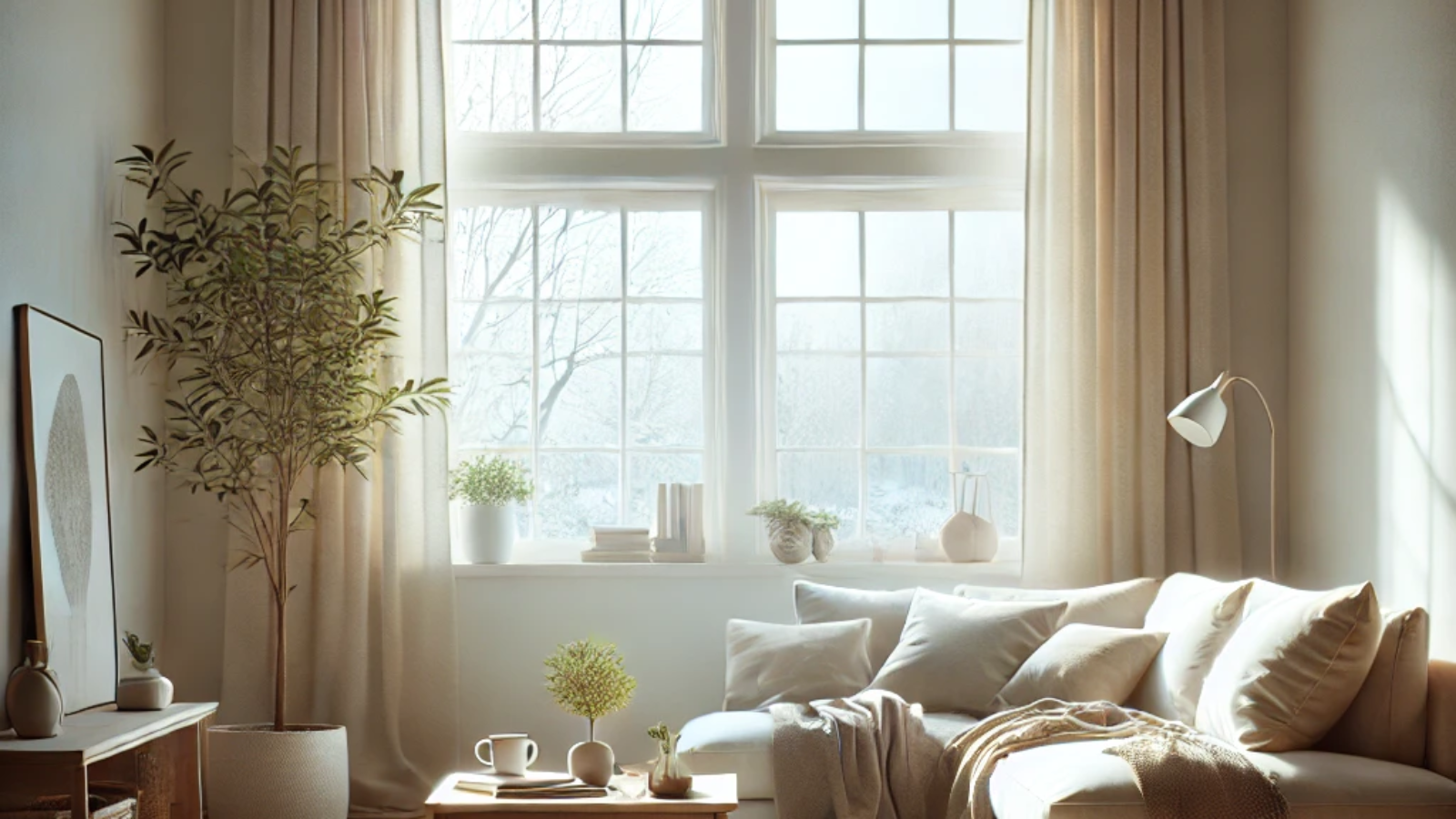
Minimalist Morning Routines for a Focused Day

Minimalist Morning Routines for a Focused Day

Start with intention, simplicity and clarity

Como você começa sua manhã dá o tom para tudo o que se segue. Uma rotina matinal minimalista não se trata de colocar a produtividade em cada segundo – trata-se de limpar distrações, alinhar-se com suas prioridades e entrar no seu dia com calma e controle. Neste artigo, exploraremos os elementos de uma rotina matinal minimalista que promove presença, energia e foco.


Why Morning Routines Are Important

Morning routines shape your mindset. They influence:

  • Mood
  • Focus
  • Decision-making
  • Emotional regulation

Minimalism enhances this process by stripping out what’s unnecessary and reinforcing habits that align with your goals.

“Lose an hour in the morning, and you will spend all day looking for it.” — Richard Whately


Core Principles of a Minimalist Morning

1. Keep it Simple

The goal isn’t to do more—it’s to create space for what truly matters.

2. Be Intentional

Each element of your morning should serve a purpose or bring value.

3. Reduce Decision Fatigue

The fewer choices you face early on, the more clarity you bring into your day.


A Sample Minimalist Morning Routine

Here’s a structure you can adapt to your own life. It takes about 30–60 minutes, depending on your needs.

1. Wake Up Gently

  • Use a soft alarm or natural light
  • Avoid your phone for the first 30 minutes

2. Make the Bed

  • Instantly creates order and a sense of completion

3. Hydrate

  • Start with a full glass of water to activate your system

4. Move Your Body (5–15 minutes)

  • Stretching, yoga, or a short walk
  • Increases circulation and focus

5. Mindfulness Moment

  • Meditate, journal, or simply sit in silence
  • Helps center your thoughts and set the tone

6. Set Your Top 3 Priorities

  • Identify what matters most today
  • Write them on paper or in your planner

7. Coma um café da manhã simples e nutritivo

  • Avoid rushing or multitasking
  • Choose whole, energizing foods

Customizing Your Routine

Minimalism doesn’t mean rigidity. Your routine should evolve with your lifestyle.

Tips to Adapt:

  • Work from home? Add 10 minutes of reading
  • Have kids? Wake up 20 minutes earlier to create solo time
  • Prefer flexibility? Choose 3 core habits and skip the rest when needed

What to Eliminate from Your Mornings

  • Social media scrolling
  • Emails and news right away
  • Decision overload (what to wear, eat, do)

These things drain focus and scatter your attention. Save them for later, if at all.


Tools for Minimalist Mornings

  • Journal: Capture gratitude, ideas, intentions
  • Habit tracker: Stay consistent without obsessing
  • Essential oils or candles: Set a calm sensory tone
  • Timer: Keep routines within limits

Real-Life Example

Ellie, 30, Copywriter

  • Created a 40-minute morning flow: hydrate, stretch, journal, make tea, read 1 chapter
  • Turned off notifications until 9 AM
  • “I get more done now in 5 hours than I used to in a full day.”

Final Thoughts: Begin with Less, Accomplish More

A minimalist morning isn’t about doing everything—it’s about doing the right things. When you begin your day intentionally, you carry that energy into every action, conversation, and task.

Start with one habit. Build slowly. Allow your mornings to be sacred space—quiet, meaningful, and fully yours.

“The way you start your day determines how well you live your day.” — Robin Sharma


📷 Prompt de imagem ultrarrealista

Um quarto minimalista ao nascer do sol. Uma pessoa se estica por uma grande janela com uma luz suave entrando. Uma pequena mesa de cabeceira contém um diário, um copo de água e uma vela acesa. O espaço é tranquilo, organizado e energizante. Estilo ultra-realista.


How to Create a Minimalist Workspace That Boosts Productivity

Where Focus Meets Simplicity

A cluttered desk often equals a cluttered mind. In today’s fast-paced world, a minimalist workspace offers more than just visual appeal—it enhances focus, reduces stress, and helps you do better work in less time. In this guide, we’ll break down exactly how to design, organize, and maintain a minimalist workspace that actually makes you more productive.


Why Workspace Minimalism Works

Science supports what many minimalists already feel:

  • Clean environments improve concentration
  • Distractions drain mental energy
  • Visual clutter competes for your attention

By removing excess, you create mental room for deep work, creativity, and clarity.

“Your environment shapes your productivity. Make it intentional.”


Step 1: Define the Function of Your Space

Before you design your minimalist setup, ask:

  • What work do I do here?
  • What tools do I use daily?
  • Do I need inspiration, silence, or both?

The answers will guide your layout and tools.


Etapa 2: Organize impiedosamente

Remove everything from your desk. Then:

  • Toss what’s broken or outdated
  • Store infrequent-use items elsewhere
  • Keep only what supports your current work

Pro Tip:

Use the one-touch rule: Handle each item once. Decide now whether to keep, toss, or relocate.


Step 3: Choose a Neutral Color Palette

Light tones and muted colors reduce mental stimulation and increase calm.

  • White, beige, and soft grays work best
  • Add warmth with wood or plant accents
  • Avoid loud, busy patterns

Step 4: Invest in Quality Over Quantity

Minimalist doesn’t mean cheap. Focus on:

  • An ergonomic chair
  • A streamlined desk
  • Proper lighting (natural light + task lamp)

Choose well, and buy once.


Step 5: Go Digital Where Possible

Paper piles = chaos. Go digital for:

  • To-do lists and calendars
  • Cloud-based storage
  • Scanning documents with your phone

This reduces clutter and keeps information accessible.


Step 6: Organize With Purpose

Use simple, clean storage solutions:

  • A drawer organizer
  • Minimal trays or bins
  • A small shelf for 2–3 inspiring items (not more!)

Keep cords hidden or secured with clips. Label drawers if needed.


Daily Habits to Maintain Your Minimalist Desk

  • End your day with a 5-minute reset
  • Wipe surfaces weekly
  • Reassess monthly: What’s sneaking back in?

Consistency keeps your system clean and functional.


What to Leave Off Your Desk

  • Extra pens or notebooks
  • Unused tech gadgets
  • Coffee mugs from last week
  • Random paper piles

Remember: a clean desk is not a sign of emptiness—it’s a sign of purpose.


Real-Life Example

Leo, 37, UX Designer

  • Removed two monitors and switched to a laptop stand with a single screen
  • Installed a pegboard for supplies
  • “My productivity doubled when I simplified my space.”

Final Thoughts: Build a Space That Supports You

A minimalist workspace isn’t about aesthetics—it’s about results. When your environment is clean, clear, and curated for your needs, your mind follows. You don’t need more stuff to work better—you need fewer distractions and better systems.

Create a workspace that makes work feel easier, and success will follow.


📷 Ultra-Realistic Image Prompt

A clean, minimalist home office with a single desk, one monitor, a wireless keyboard, and a sleek chair. A plant sits in the corner near natural light. A pegboard with minimal tools is mounted on the wall. Calm, organized, and inspiring. Ultra-realistic style.

How Less Stuff Can Lead to More Love

Minimalism and Relationships: How Less Stuff Can Lead to More Love

Simplifying Life to Strengthen the Bonds That Matter Most

Minimalism isn’t just about decluttering your home—it’s also about decluttering your relationships and making space for deeper connections. Whether you’re looking to improve communication with your partner, bond more intentionally with family, or create more meaningful friendships, the minimalist mindset can help you focus on what really counts: presence, attention, and shared values.

In this article, we explore how embracing minimalism can transform your relationships and lead to more love, trust, and harmony.


Why Stuff Gets in the Way of Connection

In modern life, it’s easy to become so consumed by things—work, schedules, gadgets, social media—that our most important relationships get pushed to the margins.

Physical Clutter Creates Emotional Distance

  • Messy environments increase stress and tension.
  • Disorganized homes often lead to more arguments, especially among couples or roommates.
  • Clutter competes for attention, reducing the space for true connection.

Time Clutter = No Time for Each Other

  • Overfilled schedules leave no margin for spontaneity or intimacy.
  • Constant busyness creates the illusion of productivity while relationships suffer.

The Minimalist Shift: Choosing People Over Possessions

Minimalism reframes the way we relate to one another. It invites us to:

  • Spend quality time instead of money
  • Replace gifts with experiences
  • Be present, not distracted

“Love grows best in little houses, with fewer walls to separate.” — Doug Stone


Minimalism in Romantic Relationships

1. Shared Vision, Shared Values

When couples embrace minimalism together, they create alignment in:

  • Financial goals
  • Home environments
  • Time management

This builds trust and teamwork.

2. Organizing together strengthens bonds

Sorting through your possessions as a couple can:

  • Reveal your individual priorities
  • Encourage communication and compromise
  • Create shared pride in your space

3. Reducing Financial Stress

Minimalism often includes mindful spending, which leads to fewer money-related conflicts and more financial freedom to pursue joint goals.


Minimalist Parenting: More Time, Less Stuff

Why Less Toys = More Engagement

Children with fewer toys tend to:

  • Use their imagination more
  • Play longer and with greater focus
  • Value their belongings

Minimalist parenting means:

  • Prioritizing time and presence over material gifts
  • Creating routines that support calm and connection
  • Teaching gratitude and intentionality from a young age

Activities That Build Connection:

  • Family walks
  • Cooking together
  • Storytime or board games

Friendships and social life through a minimalist lens

1. Choose Depth Over Width

You don’t need dozens of friends—you need a few who really know you.

2. Be Present When You’re Together

Minimalism teaches us to put phones away, listen deeply, and create distraction-free moments.

3. Let Go of Energy-Draining Relationships

Not every relationship is meant to last forever. Minimalism helps you:

  • Identify which connections are supportive and aligned
  • Gently release those that no longer fit your values

Minimalism and Communication

When life is simpler, communication flows more easily. Here’s why:

  • Fewer distractions mean better listening
  • Less rushing means more space for meaningful dialogue
  • Shared values create clearer, more compassionate conversations

Practices to Try:

  • Weekly check-ins with your partner or family
  • Tech-free dinners
  • Intentional affirmations and expressions of appreciation

Real-Life Example

Emily and Jonas, 36 & 38, Minimalist Couple

  • Downsized from a 3-bedroom house to a 1-bedroom apartment
  • Sold 60% of their belongings
  • Spend evenings walking, cooking, and reading together
  • “We argue less, connect more, and finally feel like we’re building something real.”

The Ripple Effect: Love Expands When Life is Lighter

When you remove the noise, distractions, and clutter, love has room to breathe. Whether it’s a partner, child, friend, or yourself—minimalism helps you:

  • Show up fully
  • Value presence over performance
  • Foster environments where love feels safe and seen

“The best things in life aren’t things.”


Final Thoughts: Choose What—and Who—Matters Most

Minimalism doesn’t strip your life down to nothing. It refocuses your life on everything that matters most. Relationships thrive when:

  • Time is protected
  • Spaces are calm
  • Minds are clear
  • Love is intentional

So start where you are. Clear one room. Put down the phone. Say no to one obligation. Say yes to someone who matters.

Because in the end, the most meaningful moments are rarely bought—they’re felt.


📷 Ultra-Realistic Image Prompt

A warm, minimalist living room with a couple sitting together on a simple neutral sofa, holding hands and smiling. A child plays with a wooden toy on the floor nearby. Sunlight floods the space through large windows. The setting is peaceful, joyful, and connected. Ultra-realistic style.

Minimalist Morning Routine

Minimalist Morning Routine: Starting Your Day with Calm and Clarity

The way you start your morning can shape your entire day. If your mornings feel rushed, noisy, or chaotic, chances are that same energy will follow you for hours.

A minimalist morning routine is about starting slow, staying centered, and creating space for peace before the world demands your attention.

The goal isn’t perfection or productivity — it’s clarity. And the good news? You don’t need two hours or a yoga studio to make it happen.

Here’s a simple guide to building a calm, clutter-free morning routine that actually fits your life.

The Power of a Quiet Start

The first 30 minutes after waking are powerful. Your brain is transitioning from rest to action, and whatever you feed it — silence or screens, stress or intention — sets the tone.

A minimalist routine helps you:

  • Reduce decision fatigue
  • Avoid early-day anxiety
  • Stay present instead of reactive
  • Reconnect with your goals and values

It’s not about doing more. It’s about starting right.

Step 1: Wake Up Gently

Skip the blaring alarm if you can. Instead:

  • Use a soft chime or natural light alarm
  • Leave your phone in another room overnight
  • Open a window to let in fresh air and light

The way you wake up matters. Choose peace over panic.

Step 2: Avoid Screens for the First 30 Minutes

Emails, messages, and notifications can wait. Give your mind space to land before letting the outside world in.

Instead of scrolling, try:

  • Stretching for 5–10 minutes
  • Drinking a full glass of water
  • Journaling or writing a few morning thoughts
  • Simply sitting in silence with a warm drink

A screen-free start is one of the most powerful minimalist habits you can adopt.

Step 3: Do One Thing That Grounds You

Pick one calming habit that reconnects you to yourself. Keep it simple and doable.

Examples:

  • Lighting a candle
  • Reading a page from a book
  • Writing down 3 things you’re grateful for
  • Sitting with a pet
  • Enjoying coffee in silence

You don’t need an elaborate ritual. Just one meaningful habit is enough to center you.

Step 4: Get Ready with Less

A cluttered closet can lead to a cluttered mind. Simplify your morning choices by:

  • Creating a mini capsule wardrobe
  • Keeping your favorite essentials visible
  • Prepping your clothes the night before
  • Using a minimal makeup or grooming routine

Less time choosing = more time living.

Step 5: Keep Breakfast Simple

You don’t need a five-star brunch. A consistent, healthy breakfast routine makes mornings smoother.

Minimalist breakfast ideas:

  • Oatmeal with fruit
  • Toast with nut butter
  • Smoothie with a few core ingredients
  • Greek yogurt with honey and seeds

Keep the ingredients basic and reliable. Bonus: meal prep a few portions ahead of time.

Step 6: Set One Intention for the Day

Before diving into work or responsibilities, pause.

Ask:

“What’s one thing I want to focus on today?”

It could be:

  • Being more patient
  • Finishing a project
  • Getting outside
  • Drinking more water

Minimalism reminds us that less is more — even with goals.

Step 7: Leave the House (or Start Work) with Intention

Before heading into the day’s demands, check your energy.

Ask yourself:

  • Am I rushing?
  • Am I present?
  • What can I let go of today?

Leave space in your schedule when possible. Say “no” to things that don’t serve you. Breathe deeply as you walk out the door or start your laptop.

Let peace be your pace.

Morning Routine Template (for Inspiration)

Need a visual guide? Here’s a minimalist morning routine example that takes under 45 minutes:

  1. Wake up with soft alarm – 6:30 AM
  2. Stretch & hydrate – 6:35 AM
  3. Write gratitude in journal – 6:45 AM
  4. Make simple breakfast – 6:55 AM
  5. Get ready with pre-chosen outfit – 7:10 AM
  6. Set one daily intention – 7:20 AM
  7. Begin work or leave home – 7:30 AM

Tweak it. Shorten it. Make it yours.

Final Thoughts: Make Mornings Work for You

A minimalist morning routine isn’t about copying what someone else does. It’s about listening to your own rhythm and creating a space that nourishes, instead of drains, you.

You don’t need to be more productive. You need to be more present.

Start with one small change. Protect your first moments of the day — because how you begin, often shapes how you live.

Leave a comment if you’ve created your own minimalist morning routine — or if you’re ready to start.


📅 Updated: April 16, 2025
🔗 Read more in the next post…

Why You Should Embrace Minimalism Without Feeling Deprived

Why You Should Embrace Minimalism Without Feeling Deprived

Minimalism is often misunderstood as living with nothing, sleeping on the floor, and saying goodbye to every comfort you’ve ever known. But real minimalism isn’t about deprivation — it’s about intention.

It’s not about having less for the sake of it. It’s about having only what supports your life, your peace, and your priorities.

In this article, you’ll learn how to adopt a minimalist lifestyle in a way that feels freeing, not restrictive — and how to make minimalism feel abundant instead of empty.

Minimalism Is About Mindset, Not Sacrifice

You don’t need to live in a white-walled apartment with no furniture to be a minimalist. In fact, minimalism should feel customized to your life.

The minimalist mindset is about:

  • Being thoughtful with what you own
  • Choosing quality over quantity
  • Letting go of things that cause stress
  • Creating space for what brings value

Minimalism isn’t about having nothing. It’s about owning what supports your life, and releasing what weighs you down.

Identify What Truly Brings You Joy

Deprivation comes when you cut out things that actually matter to you. That’s why step one in minimalist living is identifying what you love — and keeping it.

Ask yourself:

  • What items do I use or enjoy often?
  • What parts of my day feel light and fulfilling?
  • What do I want more of in my life?

Minimalism helps you prioritize joy — not remove it.

Give Yourself Permission to Go Slow

You don’t need to declutter your entire life in a weekend. That’s a recipe for burnout and regret.

Instead, try:

  • Decluttering one drawer or one category at a time
  • Setting a goal to remove 3–5 items a day
  • Doing one minimalist habit each week

The slower you go, the more mindful (and lasting) the change will be.

Keep the Things That Add Value

Let go of the idea that minimalism = “no stuff.” Some things truly add value, even if they aren’t essential.

Examples:

  • A cozy blanket you love
  • A favorite book collection
  • A quality espresso machine
  • A piece of art that inspires you

The question isn’t “Do I need this?” — it’s “Does this serve me or bring me peace?”

If the answer is yes, keep it.

Redefine What “Enough” Means

Deprivation comes from constantly comparing yourself to others. Minimalism invites you to find your own version of enough.

You don’t need:

  • 40 shirts
  • 10 throw pillows
  • 3 sets of dinnerware
  • A garage full of tools you never use

But if you genuinely use and enjoy something, it can stay. Minimalism is about alignment, not limits.

Focus on What You’re Gaining, Not Losing

Instead of thinking:

“I’m giving up my clothes, my stuff, my comforts…”

Try:

“I’m gaining time, space, clarity, peace, and control.”

The focus shift changes everything. You’re not giving things up — you’re choosing better things.

Create “Comfort Zones” in Your Space

Minimalist spaces can still feel warm and inviting. To avoid feeling deprived, create intentional comfort zones:

  • A reading nook with soft lighting and a favorite chair
  • A minimalist bed setup with a luxurious blanket
  • A clutter-free kitchen with one quality mug you love

Let each space reflect peace, not absence.

Keep Sentimental Items That Truly Matter

You don’t have to give up every card, photo, or keepsake. Keep a curated box of meaningful items and let them bring you joy — not guilt.

Minimalism isn’t about being cold or detached. It’s about editing your life gently.

Allow Yourself Flexibility

Some days you’ll crave more simplicity. Others, you’ll want a little indulgence. That’s okay.

Minimalism should flex with your life, not fight it.

You’re allowed to:

  • Keep items that “spark joy”
  • Buy something new intentionally
  • Let go and bring back balance later

This lifestyle is not an all-or-nothing game. It’s a tool — not a rule.

Final Thoughts: Minimalism as a Form of Freedom

If minimalism feels like punishment, you’re doing it wrong. True minimalism should feel like relief.

It’s the freedom to say no to what drains you — and yes to what fills you up.
It’s about keeping what makes you feel alive — and letting go of everything else.

Choose minimalism because you deserve peace, not because you need to prove anything to anyone.

Leave a comment if you’ve ever felt overwhelmed by minimalism — or if you’re learning to simplify in a way that feels good.


📅 Updated: April 16, 2025
🔗 Read more in the next post…

How to Organize a Small Space

How to Organize a Small Space Using Minimalist Principles

Living in a small space doesn’t mean sacrificing comfort or style. In fact, a smaller home or room can be a huge advantage when combined with minimalist principles — less to clean, less to furnish, and more incentive to live intentionally.

Whether you’re in a studio apartment, a tiny home, or just want to make the most of a small room, these tips will help you organize your space so it feels open, functional, and peaceful.

Let’s dive into how minimalism can help you transform any small area into a calm, beautiful place to live and breathe.

Step 1: Let Go Before You Organize

The golden rule of organizing small spaces?

“Don’t organize clutter — remove it.”

Before trying to make everything “fit,” take a moment to declutter first:

  • Eliminate duplicates
  • Remove items you haven’t used in the past year
  • Let go of things you’re saving “just in case”
  • Be honest about what serves your current lifestyle

Once you have less to manage, organization becomes effortless.

Step 2: Use Vertical Space

In small spaces, think up, not just out.

  • Install floating shelves for books, plants, or baskets
  • Use tall bookcases or storage towers
  • Hang hooks or pegboards for accessories or kitchen tools
  • Use over-the-door organizers in closets and bathrooms

Vertical storage reduces floor clutter and visually lifts the room.

Step 3: Choose Furniture That Doubles as Storage

Minimalist furniture is not just sleek — it’s smart.

Try these options:

  • Ottomans with hidden compartments
  • Beds with drawers underneath
  • Benches that open for blanket storage
  • Side tables with shelves or cubbies

Every piece should earn its spot and do double duty.

Step 4: Keep Surfaces Clear

Cluttered surfaces instantly make a space feel cramped. Try to keep your:

  • Kitchen counters
  • Desk
  • Coffee table
  • Dresser tops

…as clear as possible. Display only 1–2 intentional items: a candle, a plant, or a framed photo.

This creates the feeling of calm and space, even in tight quarters.

Step 5: Choose a Neutral Color Palette

Colors play a huge role in how we perceive space.

Opt for light, neutral tones like:

  • White
  • Soft gray
  • Beige
  • Blush or sage green accents

These shades reflect more light and make rooms feel larger and airier.

Add texture with natural materials like wood, linen, or woven baskets to keep the space cozy but not cluttered.

Step 6: Use Clear or Hidden Storage

Visual clutter is still clutter. To reduce it:

  • Use clear bins inside drawers or closets to easily see what’s inside
  • Choose closed storage (cabinets, baskets, boxes) to hide items
  • Label everything simply — less visual noise = more peace

Even behind-the-scenes organization makes a big difference.

Step 7: Minimize Decor, Maximize Impact

Decor should enhance your space — not overwhelm it.

Try:

  • One statement piece per room
  • A single framed art piece instead of a gallery wall
  • Fewer, larger objects instead of many small ones
  • Plants for a natural, fresh touch

Minimalist decorating is about creating space around the beauty, not just adding more of it.

Step 8: Be Intentional With What You Keep

Ask yourself:

  • “Does this have a home in my space?”
  • “Does it serve me regularly?”
  • “Would I buy this again today?”

Only keep items that answer “yes” — everything else is likely in the way.

You’ll find that less stuff = more freedom and flow in your small space.

Step 9: Rotate Items Seasonally

If your space is limited, don’t try to store everything at once.

  • Keep seasonal clothes or décor in bins under the bed or in a closet
  • Swap items every few months
  • Refresh your space with fewer pieces visible at one time

This keeps your space from feeling static — without overloading it.

Step 10: Make It Yours

Minimalism isn’t about stripping away personality. Even in a tiny space, you can still express yourself with:

  • A cozy reading nook
  • A few meaningful souvenirs
  • Your favorite color accents

Just choose wisely — and make sure everything you include makes you feel good.

Final Thoughts: Small Space, Big Peace

Living in a small space can feel restrictive — or it can be incredibly freeing.

With the right minimalist approach, you’ll find:

  • More breathing room
  • Less decision fatigue
  • Easier cleaning and maintenance
  • A deeper connection to your environment

The secret is simple: own less, live more.

Leave a comment if you live in a small space — and share your favorite minimalist organizing trick!


📅 Updated: April 16, 2025
🔗 Read more in the next post…

10 Minimalist Habits

10 Minimalist Habits That Will Change Your Life

Minimalism isn’t just about what’s in your home — it’s about how you live your life every day. By building minimalist habits into your routine, you create more time, more peace, and more space to focus on what really matters.

The best part? You don’t need to overhaul everything overnight. You can start small — one habit at a time.

Here are 10 powerful minimalist habits that can help you simplify your life and feel more intentional, focused, and free.

1. Start Your Day Without Screens

Instead of grabbing your phone first thing in the morning, try starting your day screen-free — even for just 10–15 minutes.

Use that time to:

  • Stretch
  • Meditate
  • Drink water
  • Set your daily intentions
  • Sit in silence

This small change sets a peaceful tone for the rest of your day and keeps you in control of your time.

2. Practice the “One In, One Out” Rule

For every new item you bring into your home, remove one. This habit helps you prevent clutter from building back up.

Example:

  • Buy a new pair of shoes? Donate or toss an old pair.
  • Got a new kitchen gadget? Let go of one you no longer use.

Simple. Balanced. Sustainable.

3. Declutter for 10 Minutes a Day

You don’t need to wait for a big spring cleaning session. Declutter a little bit every day.

Set a timer for 10 minutes and:

  • Clean a drawer
  • Empty your inbox
  • Toss expired items from the fridge
  • Organize your desktop

These micro-habits lead to big results over time.

4. Make a Weekly “Not-To-Do” List

We’re used to making to-do lists, but what about the things you want to stop doing?

Each week, list 3–5 things you want to say no to:

  • Mindless scrolling
  • Overcommitting
  • Buying things you don’t need
  • Staying up too late
  • Neglecting self-care

Minimalism is just as much about removing what drains you as it is about organizing what stays.

5. Meal Plan with 5 Core Recipes

You don’t need to be a gourmet chef to eat well. Choose 5 simple, healthy recipes that you love and rotate them.

This reduces:

  • Grocery shopping time
  • Decision fatigue
  • Food waste

Minimalism in the kitchen leads to more energy and less stress.

6. Say “No” More Often

Your time is valuable. Get comfortable saying no to things that don’t align with your priorities.

You don’t have to explain yourself. A simple:

“Thanks, but I’m not available.”

…is enough. This habit gives you freedom, focus, and boundaries.

7. Limit Your Wardrobe to What You Actually Wear

You probably wear 20% of your clothes 80% of the time.

Make it official:

  • Keep your favorites
  • Store or donate the rest
  • Create a seasonal capsule wardrobe

Getting dressed becomes quicker, easier, and more fun — all while saving money and space.

8. Use the “Pause Before Buying” Rule

Minimalists don’t avoid shopping — they shop intentionally.

Before any non-essential purchase:

  • Wait 24–48 hours
  • Ask yourself: “Do I really need this?”
  • Think: “Will this still matter to me next month?”

This simple pause can save you hundreds of dollars and keep your space clutter-free.

9. Clear Your Surfaces at the End of the Day

Before you go to bed, take 5 minutes to tidy up your most-used spaces:

  • Kitchen counters
  • Bathroom sink
  • Desk or workspace
  • Nightstand

Waking up to clear surfaces gives you a fresh, calm start each morning.

10. Reflect Weekly

Minimalism is about awareness. Once a week, take 10–15 minutes to reflect:

  • What’s working in my life right now?
  • What’s feeling overwhelming?
  • What can I simplify or let go of?

You’ll build a habit of checking in with yourself — one of the most powerful minimalist tools there is.

Final Thoughts: Simplicity Is Built Daily

Minimalism isn’t a one-time event — it’s a way of living. By practicing these 10 habits regularly, you’ll create a more focused, balanced, and peaceful life.

You don’t have to be perfect. Start with one or two habits. Build slowly. Be consistent.

And remember: small changes lead to massive freedom.

Leave a comment if any of these habits already work for you — or which one you’re ready to try next!


📅 Updated: April 16, 2025
🔗 Read more in the next post…

Declutter Sentimental Items Without Regret

How to Declutter Sentimental Items Without Regret

Letting go is hard — especially when the item you’re holding onto is tied to a memory. A birthday card from a loved one, a childhood toy, a concert t-shirt… These objects might not serve a practical purpose anymore, but they carry emotional weight.

That’s why decluttering sentimental items is one of the most emotionally difficult steps in any minimalist journey. But with the right mindset and a few gentle strategies, you can simplify without guilt — and still hold onto what truly matters.

Here’s how to declutter sentimental items in a way that honors your past while freeing your future.

Why Sentimental Items Are Hard to Let Go

Decluttering sentimental belongings often brings up feelings like:

  • Guilt – “If I throw this away, does it mean I don’t care?”
  • Fear of forgetting – “What if this is the only thing that reminds me of them?”
  • Identity confusion – “This represents who I used to be.”
  • Emotional attachment – “It makes me feel close to that time or person.”

These feelings are valid. The key is to face them with compassion, not judgment.

Minimalism doesn’t mean throwing everything away. It means keeping the things that truly matter — and letting go of what’s just taking up space.

Step 1: Set the Right Intention

Before you even start, take a deep breath and remind yourself:

“I am not my stuff. I can honor my memories without holding onto everything.”

Approach sentimental decluttering with a gentle and patient mindset. There’s no rush. There’s no perfect way. The goal is to feel lighter — not more pressured.

Step 2: Choose a Small, Manageable Area

Don’t start with your entire memory box or every photo you’ve ever taken. Choose one small category or space:

  • A single drawer
  • Old letters
  • Childhood toys
  • One box of souvenirs
  • A stack of old notebooks

Keep it focused. You’ll feel less overwhelmed and more in control.

Step 3: Use the “Select, Don’t Save” Approach

Instead of keeping everything with emotional value, choose the best of the best:

  • One card instead of twenty
  • A few photos that capture the essence of an event
  • One shirt instead of an entire drawer of old clothes

You don’t need to save the entire past — just meaningful highlights.

Step 4: Take Photos of Items Before Letting Go

Sometimes, what you really want is the memory, not the object itself.

Before parting with sentimental items, take clear, thoughtful photos. Create a digital album labeled “Memories” or even print a small photobook.

This way, the emotion and history are preserved — without the physical clutter.

Step 5: Repurpose or Display the Special Ones

If you love it, let it live with purpose:

  • Turn an old t-shirt into a pillow cover
  • Frame a handwritten note from a loved one
  • Use heirloom china on special occasions
  • Display a travel souvenir on a shelf

When sentimental items are integrated into daily life, they bring joy instead of guilt.

Step 6: Acknowledge the Story, Then Let It Go

Sometimes, just telling yourself the story behind the item is enough.

Hold the object. Reflect on what it means to you. Say out loud or write:

“This reminds me of my trip to Spain in 2012. It was my first time traveling solo, and I felt brave and free.”

Then take a moment and say:

“I carry that memory with me. I no longer need the item to remember it.”

Letting go becomes easier when you’ve honored the memory.

Step 7: Allow Yourself to Keep a “Memory Box”

You don’t need to get rid of everything. It’s okay — even healthy — to keep a curated box of sentimental items.

Here’s how to make it intentional:

  • Use one container (not an entire closet)
  • Choose only items that bring positive emotion
  • Revisit it once a year to refresh and release what no longer resonates

This gives you permission to keep without cluttering.

Step 8: Release the Guilt

It’s okay to let go of gifts, old birthday cards, or family keepsakes. Holding onto something out of obligation is not love — it’s weight.

Your loved ones would want you to feel peace, not pressure.

Say this to yourself:

“I’m allowed to move on. The love and memories stay with me — not the object.”

Minimalism is about freedom, not coldness.

Step 9: Reflect on How You Feel

After a sentimental decluttering session, check in with yourself:

  • Do I feel lighter?
  • Do I feel proud of my decisions?
  • Did I honor my past with compassion?

Celebrate your courage. Decluttering emotions is real work, and you’re doing it beautifully.

Final Thoughts: Keep the Meaning, Not the Mess

Letting go of sentimental items doesn’t mean letting go of love, memory, or identity. It means trusting that the value of an experience lives inside you, not inside a box in the closet.

You don’t have to forget the past. But you deserve space in your present — and your future.

Keep what makes you feel whole. Let go of what weighs you down.

Leave a comment if you’ve ever struggled with letting go of sentimental things — or if you’re ready to keep the meaning, not the mess.


📅 Updated: April 16, 2025
🔗 Read more in the next post…

Minimalism in Your Social Life

The Power of Saying “No”: Minimalism in Your Social Life

When people think of minimalism, they often picture tidy closets and clutter-free homes. But one of the most transformative — and underrated — parts of minimalism happens in your social life.

Saying “no” is a key part of living intentionally. It’s not about isolating yourself or avoiding relationships. It’s about protecting your time, your energy, and your peace.

Let’s explore how saying “no” with purpose can bring more clarity, confidence, and calm into your life.

Why We Struggle to Say “No”

Saying “no” sounds simple, but it often triggers deep discomfort. Why?

  • Fear of disappointing others
  • Guilt about not being helpful
  • Desire to be liked or accepted
  • Habitual people-pleasing
  • FOMO (Fear of Missing Out)

But here’s the truth: Every time you say “yes” to something that doesn’t align with your values or capacity, you say “no” to yourself.

Minimalism invites us to flip that script.

Minimalism Is About Boundaries

At its core, minimalism is about boundaries — in your space, your schedule, and your relationships.

Learning to say “no”:

  • Protects your emotional and mental energy
  • Frees up time for what really matters
  • Creates more honest and respectful relationships
  • Helps you feel more in control of your life

It’s not selfish. It’s self-respect.

Signs You Might Need Social Minimalism

Here are some red flags that you may be overcommitted socially:

  • You feel drained after most interactions
  • You say “yes” automatically and regret it later
  • Your calendar is packed but your heart feels empty
  • You never have time for rest or your own goals
  • You feel resentful or overwhelmed often

Sound familiar? It might be time to declutter your social life.

How to Start Saying “No” (Without the Guilt)

You don’t have to be rude or cold to set boundaries. Here’s how to say “no” with kindness and confidence:

1. Be Direct but Polite

“Thanks for thinking of me, but I can’t commit right now.”

2. Don’t Over-Explain

You don’t owe a detailed excuse. A simple “I’m not available” is enough.

3. Offer an Alternative (If You Want)

“I won’t make it, but let’s catch up another day.”

4. Practice Before Big Conversations

Write or rehearse your response in advance so it feels easier in the moment.

5. Pause Before Saying Yes

Buy yourself time with:

“Let me check my schedule and get back to you.”

6. Trust That Real Friends Will Understand

People who respect your boundaries are the ones worth keeping close.

Where to Apply Social Minimalism

Here are a few common areas to practice intentional “no’s”:

  • Social events that feel more like obligations
  • Extra responsibilities at work that stretch you thin
  • Family pressure to do or attend things you don’t want to
  • Group chats or digital connections that drain your time
  • Toxic relationships that cause more harm than good

This isn’t about cutting everyone off. It’s about making space for genuine connection, not constant connection.

What You Gain by Saying “No”

When you begin to protect your social space, amazing things happen:

  • More time for the people and experiences you truly care about
  • A deeper connection with yourself
  • Reduced anxiety and resentment
  • Stronger, more meaningful relationships
  • A clearer sense of your own values and identity

Saying “no” is not rejection — it’s redirection.

Minimalism Is About Choosing With Intention

Your time and energy are limited resources. Minimalism reminds us to use them intentionally — not out of guilt, pressure, or obligation.

Instead of filling your calendar with noise, start making space for:

  • Rest
  • Joy
  • Depth
  • Growth
  • True connection

That’s what minimalism in your social life is all about.

Leave a comment if you’ve ever struggled to say no — or if you’re ready to protect your peace by practicing social minimalism!

Minimalist Capsule Wardrobe That Works

How to Create a Minimalist Capsule Wardrobe That Works

Clothes are one of the most common sources of clutter in our lives — and also one of the easiest places to start simplifying. Enter the capsule wardrobe: a minimalist collection of versatile clothing pieces that you love and actually wear.

Forget overflowing closets and “nothing to wear” moments. A well-planned capsule wardrobe helps you look great with less effort, less money, and less stress.

Here’s how to build one that fits your style, lifestyle, and values.

What Is a Capsule Wardrobe?

A capsule wardrobe is a limited set of clothing pieces (usually 25 to 50) that can be mixed and matched to create many different outfits.

The idea is to:

  • Focus on quality over quantity
  • Choose neutral and versatile pieces
  • Keep only what you love and wear regularly
  • Eliminate daily decision fatigue

It’s not about restriction — it’s about freedom from clutter and confusion.

Benefits of a Capsule Wardrobe

Why make the switch to a minimalist closet?

  • Less stress getting dressed
  • Saves time every morning
  • Reduces shopping habits and impulsive purchases
  • Saves money over time
  • Helps define your personal style
  • Creates a tidy and intentional space

And best of all: every item in your closet earns its place.

Step 1: Define Your Style and Lifestyle Needs

Start with an honest look at your day-to-day life and your style preferences.

Ask yourself:

  • What do I wear most often (work, casual, home, events)?
  • What colors and silhouettes do I feel great in?
  • What are my “go-to” pieces?
  • What’s my climate or season?

Your wardrobe should match your reality — not an idealized Pinterest version of your life.

Step 2: Empty Your Closet

Yes, all of it. Take everything out and lay it where you can see it.

This helps you:

  • See how much you really own
  • Confront duplicates and items you never wear
  • Get a fresh start

You might be shocked by how many clothes you haven’t touched in months (or years).

Step 3: Sort Into Categories

Use these 4 categories to guide your decisions:

  1. Love it and wear it often
  2. Like it but rarely wear it
  3. Don’t love it but keep it “just in case”
  4. Don’t wear it and don’t love it

Only category 1 items should make it into your capsule wardrobe.

Be honest. Let go of the guilt.

Step 4: Build Your Capsule with Intention

Now, from what remains, choose the best basics to form your capsule.

Most capsule wardrobes include:

  • 5–10 tops (t-shirts, blouses, shirts)
  • 3–5 bottoms (jeans, pants, skirts)
  • 2–4 layers (jackets, cardigans)
  • 2–4 shoes (sneakers, boots, flats)
  • 1–2 dresses (if that fits your style)
  • A few accessories

Stick to neutral colors for most items and add a few accent colors or patterns you love.

Everything should work together like a puzzle — mixable and matchable.

Step 5: Store or Donate What’s Not in the Capsule

What about the rest?

  • Donate what no longer serves you
  • Store off-season items in a box or another closet
  • Keep a “maybe” bag for a short period, just in case

Remember, this isn’t goodbye forever. You can always adjust your capsule as needed.

Step 6: Practice Outfit Planning

With fewer clothes, you’ll start to see how many outfits you can create with what you have.

Try:

  • Taking photos of outfits that work
  • Rotating combinations weekly
  • Planning outfits ahead for busy mornings

Over time, you’ll develop a strong sense of what you love and what works best for your lifestyle.

Step 7: Shop Less, But Smarter

After building your capsule, you’ll likely shop way less. But when you do:

  • Choose high-quality basics that last
  • Stick to your color palette and style guidelines
  • Ask yourself, “Does this fill a gap?”
  • Avoid impulse buys — sleep on it before purchasing

Each item should earn its way into your closet.

Step 8: Refresh Seasonally (Optional)

Many people choose to create seasonal capsules — one for spring/summer, another for fall/winter.

If that works for your climate and style, set a reminder every 3 months to:

  • Review what you wore
  • Swap seasonal items
  • Donate what no longer fits or suits you

Your capsule should evolve with you, not trap you.

Final Thoughts: Freedom in Less

A capsule wardrobe simplifies your morning routine, supports conscious shopping, and helps you feel more confident with fewer choices.

You don’t have to be a fashion minimalist to start — just someone ready to reclaim time, space, and peace of mind.

And remember: your capsule doesn’t have to be perfect. It just has to work for you.

Leave a comment if you’ve ever tried building a capsule wardrobe — or if you’re ready to give it a shot!